My method

One method, four parts.

Inner work is the core. Faith, breath and integration support it, so what you discover inside shows up in how you live and relate.

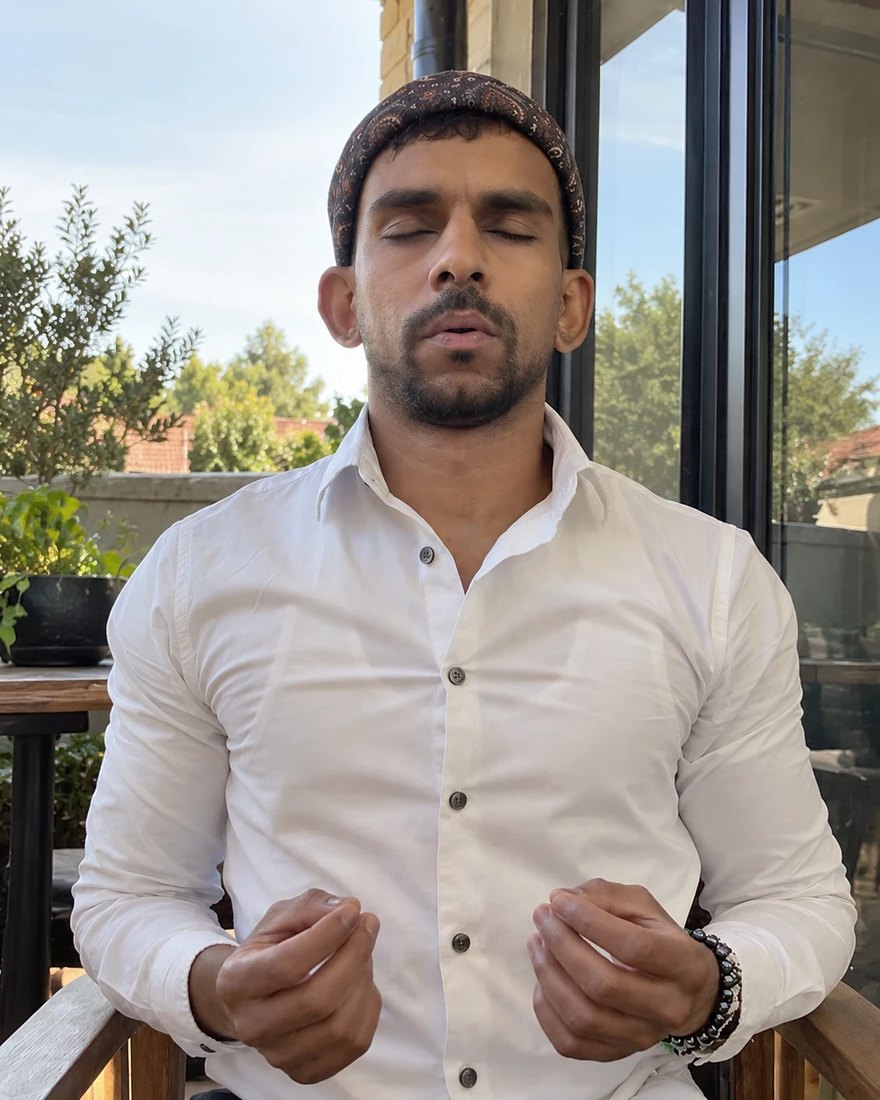
Gin sitting on a sunny terrace, eyes closed, breathing
Four parts, one method

How the work fits together

Inner work is the core. The other three support it, and in a session we use what fits you.

01

Inner Work

The core of the work

When rejection, loneliness, shame or overthinking shows up, we don't only talk about it. We slow down, go inward and notice what's happening emotionally. Then we explore the pattern underneath, at a pace that feels safe, so it carries less weight and you react less from old habits.

It draws on shadow work, deep meditation and emotional processing. The aim isn't to erase what you feel. It's to understand and work through what's underneath, so you can reconnect with yourself.

In a session. We take one real moment from your week, slow it right down, and follow it back to what it touched in you. Then we stay with that until it feels lighter or clearer.

For you if you understand your patterns in your head, but they still run you.

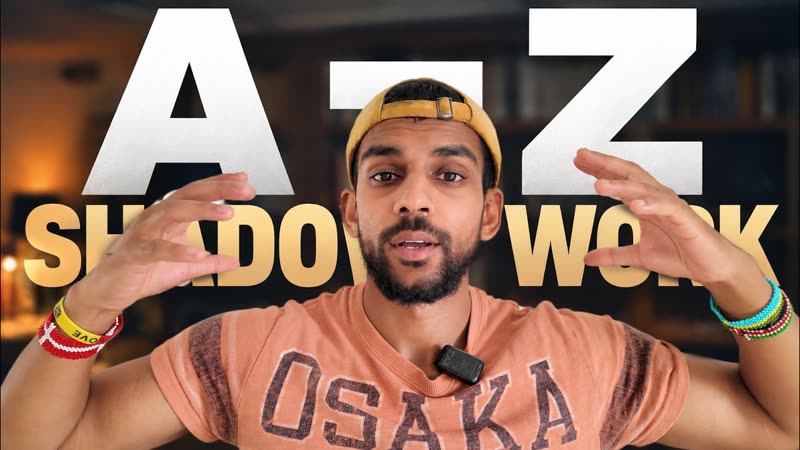
Shadow work, explained

02

Faith & Theology

Meaning, forgiveness and who you want to become

Sometimes inner work leads to bigger questions: about meaning, forgiveness, values, identity, God, and who you want to become. Faith is a personal part of my own life, and when it matters to you, we make room for it.

It isn't academic theology, and it isn't church. It's an honest conversation at your pace. If faith isn't part of your life, we simply leave it out.

For you if your faith matters to you, or you're carrying questions about meaning and forgiveness.

Faith and inner work

03

Breathwork

A simple way back to the present

Breathwork is a supporting tool, and I keep it simple. A few minutes of slower breathing can help you ground yourself, feel your body again, quiet some of the mental noise and create a little space before you react.

I use gentle practices, not intense techniques. If a breathing exercise makes you dizzy or uneasy, we stop and you breathe normally.

For you if you live in your head and find it hard to switch off.

04

Integration

Turning inner change into real-life change

An insight in a session is only the beginning. Integration is how we bring what you discover into your life: real conversations, relationships, boundaries, decisions and social situations.

In a session. We end with one small, real step for the coming week, like sending the message, saying no, or staying in a conversation a little longer. Next time, we look at what happened and what it brought up.

For you if you've had insights before, but your everyday life didn't change much.

Depending on the person, I may also use reframing and NLP-inspired techniques to explore beliefs, meaning and internal patterns.

Inner work in practice

8 steps I use every time something hits

The same steps I use myself. A trigger is a doorway. Keep it simple: you don't need to get it perfect, you just need to come back to the steps.

  1. Phase I

    Awareness

    See what is happening.

    1. 01

      Notice

      Catch the moment it hits and name it.

      "I see it."
    2. 02

      Acknowledge

      Let the feeling be true for now.

      "Don't suppress it."
  2. Phase II

    Acceptance

    Make room for it.

    1. 03

      Find a space

      Step away somewhere quiet, even for five minutes.

      "Keep it simple."
    2. 04

      Embrace

      Meet the feeling with warmth.

      "Hug it."
  3. Phase III

    Exploration

    Go to the root.

    1. 05

      Understand

      Follow it down, layer by layer.

      "What's under it?"
    2. 06

      Go inward

      Turn your attention inside: body, breath, the part that hurts.

      "In."
  4. Phase IV

    Integration

    Let it change you.

    1. 07

      Check in

      Notice what shifted.

      "How do you feel now?"
    2. 08

      Log it

      Write it down so the pattern gets clearer each time.

      "Log it."

You don't have to understand everything at once.
Start with what you feel.

The toolbox

Techniques we might use

Not all at once. We choose what fits you and what you are going through.

Inner Work

  • Trigger mapping

    Walk back through a trigger step by step: what happened, what you felt, what you did, what it touched.

  • Projection check

    When you judge someone strongly, ask whether some of that same thing lives in you.

  • Inner child letter

    Write to your younger self, or let them write to you, and listen to what they needed.

  • Parts dialogue

    Give the angry part, the scared part and the critic each a voice, and let them talk.

Reframing

  • Reframing

    Take the meaning you gave an event and find a more accurate one.

  • Anchoring

    Link a calm, steady state to a simple gesture or word you can return to.

Breathwork

  • Body scan

    Move your attention slowly from head to feet and notice where you hold tension.

  • Box breathing

    Breathe in for four, hold for four, out for four, hold for four, and repeat for a few rounds.

Integration

  • One real step

    Pick one small, real action that stretches you this week, like sending the message or saying no.

  • Journaling prompts

    Short questions to answer after a hard moment, like: what story am I telling myself right now?

Faith & Theology Optional

Only if faith matters to you. Everything else on this page works the same either way.

  • Prayer of honesty

    Bring what you found to God plainly, using Psalm 139 as a starting point if it helps.

  • Daily examen

    A short daily prayer taught by Ignatius of Loyola: thank God for the day, look back at where you felt close to him and where you drifted, ask forgiveness where you need it, and ask for help with tomorrow.

You don't have to navigate this alone.

Sometimes having someone hold space and guide you through the process makes all the difference.

Book a free call
Watch

See the method in real life

Short videos where I walk through what I do when I get triggered.

Your next chapter

Ready to talk?

Start with a free 30-minute conversation about where you are, what feels stuck, and what you want to change.

Coaching isn't therapy. I don't diagnose or treat mental health conditions. If you're in crisis or thinking about harming yourself, please reach out now. In Denmark, call 112 or Livslinien on 70 201 201. Anywhere else, find a free helpline at findahelpline.com. Breathwork in my sessions is gentle. If you're pregnant, or have epilepsy, a heart condition or a history of panic attacks, tell me before we start.

Book a free call